
Photography Tips #1: Revisiting Old Work
I’d like to talk about is revisiting your old work. Generally, a lot of people will look back on their old work that they were once proud of and cringe… That’s a good thing: that’s a sign of your progress. You notice all of the little details that you didn’t see when you first took the image or perhaps your editing is less than satisfactory. However, this doesn’t mean you should just go and throw away all of your old images. Also, sometimes you might find a photograph that you initially didn’t think much of and with new eyes see a potentially great image in there. While you edit your “second” images, you’ll also learn about how your processing style has changed and developed since you took the original image.

I thought I’d start out this series with some quick tips and ideas to:
inspire you to try something new
hopefully learn about yourself and your photos
I’d like this series to get you to try new techniques, explore artistic ideas, or to get you out of a creative rut. I don’t want these tutorials to be “how to use aperture and shutter speed", I want them to be interesting tips to help you actually improve your photography.
The first topic I’d like to talk about is revisiting your old work. Generally, a lot of people will look back on their old work that they were once proud of and cringe… That’s a good thing: that’s a sign of your progress. You notice all of the little details that you didn’t see when you first took the image or perhaps your editing is less than satisfactory. However, this doesn’t mean you should just go and throw away all of your old images. Also, sometimes you might find a photograph that you initially didn’t think much of and with new eyes see a potentially great image in there. While you edit your “second” images, you’ll also learn about how your processing style has changed and developed since you took the original image.
I spent this morning going through some of my images that were taken more than a year ago to try to see if I could take my own advice. First, I went back to some of my favorite images and tried to look at the outtakes that I took before and after them or images from the same area. It was so interesting to see my process in how I created the photo that I put in my portfolio and the shots I had tried before and after. I also thought about how I could have changed the composition in that moment or used a different setting or lens to improve the final image. I believe that this introspection really helps an artist improve and develop as much as going out and shooting images.
Let’s look at a couple of examples I did this morning. I’ll start with a little info about my portfolio image, then I’ll talk about the unprocessed “second” that I found, and I’ll show how I processed it now with a new mindset.
The first image I looked at this morning is one of my best selling prints from lower Blue Lake near Telluride and Ridgway, Colorado which I took about 3 years ago to this day:
Blue Lakes #1
I still do really like this image but I know a lot of things I could change. This particular shot is a panorama of 9 different images taken with exposures greater than 15 seconds. I think it works but it isn’t very focused and there isn’t really a clear subject. In hindsight, I should’ve gotten closer to the log and focus-stacked.
I looked at all of my throw-away images from this same spot and I came across this image:
There are just some minor edits to the exposure, as I underexposed for the highlights in the original. However, with my new, older, wiser eyes, I spotted an interesting image here. The biggest thing I changed in my final is I applied my more experienced cropping and composition knowledge to try to strengthen the image:
Blue Lakes Image #2
Now we can see we have a very clear subject of the mountain which is anchored by the bushes in the foreground. The bushes are almost providing a natural frame for the bottom of the image which helps balance the composition. I also brought out some highlights by dodging the left mountain pass which helps bring more interest to the left side of the image and further balances it.
Another example of revisiting my collection is this image of a lighthouse that I took last year.
I loved the fog and atmosphere when I took this. However, I first thought this was a throw-away image because it has so many distractions and it took away from the feeling of minimalism and solitude that I hoped it would give. So, I put this in Photoshop this morning at 7AM to try to clean it up a bit and give it a new treatment. Here’s what I came up with:
I thought a black-and-white conversion was good with what I was trying to convey. I also really tried to emphasize the foreground elements and leave the background to fade away. The distracting elements being taken away really elevates the feeling of solitude. This exercise, like the image above, taught me I probably should have gotten closer to the foreground element and made it fill up more of the entire frame and to not be afraid to edit out distractions (if Steve McCurry can do it, I’m game.)
This is really the point of the exercise: to look for old gems in your collection that you can edit with your new found powers, to look for compositional errors to improve in your future work, and to examine what you like about your portfolio images (if you’re comparing your “seconds” to your “winners”.)
Which images do you prefer? I’m not sure personally, but I hope this exercise really reinforces compositional techniques and will make you a better artist.
2020|365: A New Project

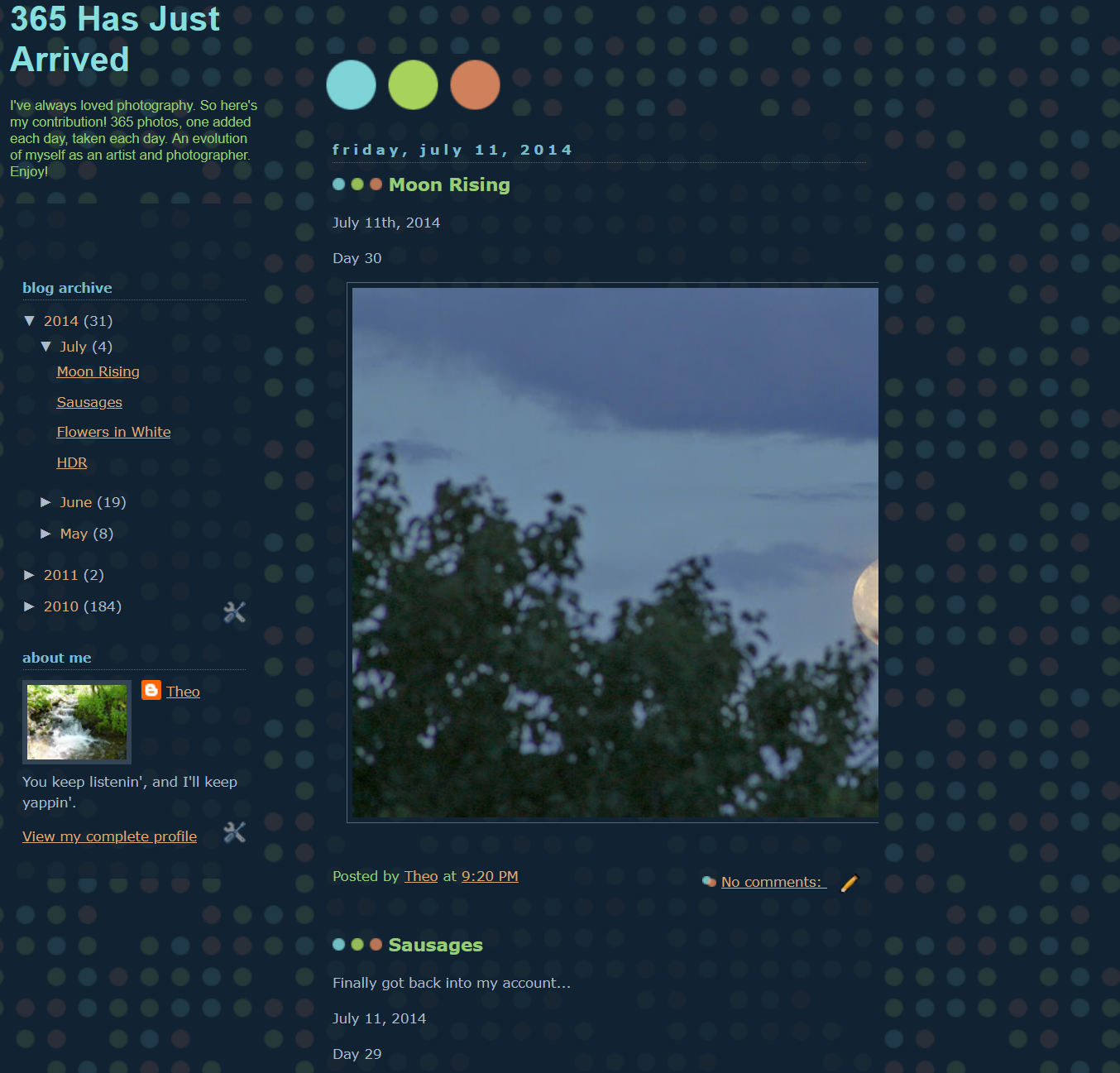
Long, long, ago when I was a teenager, I started a project that I had heard about on Flickr. The premise was simple:
Upload 365 photos, one day at time, only use photos that you took that day to challenge myself to improve and consistently take interesting photos, no matter the time of year.
https://365photosdaily.blogspot.com/.
The project was eye-opening for me. I had thousands of views! That was insane 10 years ago. Unfortunately, I had computer issues and teenager issues and I lost track of my project. Years later, I’m sure that the blog contributed to me becoming a professional photographer. I would like to continue this project in a new decade of my life to see what I can do now. I think it’s so important to challenge and push yourself creatively and you never know what will come out of the project. I love looking back on my first project’s images and I hope you’ll enjoy these. I plan on posting helpful facts with each photo like gear used, editing tips, location, and stories.
Welcome to the beginning of my photography blog series

Hello everyone! I’m trying to revamp my website and provide more content. I have been overwhelmed by graduate school and I am planning on using this as an escape and as a way to give back to the photography community. I want to provide value to you, the viewer, and to improve my teaching skills.
I plan on providing interesting content such as:
gear reviews
editing tips and tutorials
film and analog fun
links to my new youtube content
photography tips
updates on my projects
progress updates on books and other professional projects of mine
and more…
I hope that you will find all of this content useful and please do leave comments if you find anything interesting or helpful.
-Theo
Search Posts
Featured Posts
-
2020
- Jul 7, 2020 Photography Tips #1: Revisiting Old Work Jul 7, 2020
- Jun 30, 2020 2020|365: A New Project Jun 30, 2020
- Jun 30, 2020 Welcome to the beginning of my photography blog series Jun 30, 2020